Like what you read?
Follow us on Social Media:

Expert Insight

January 21, 2026
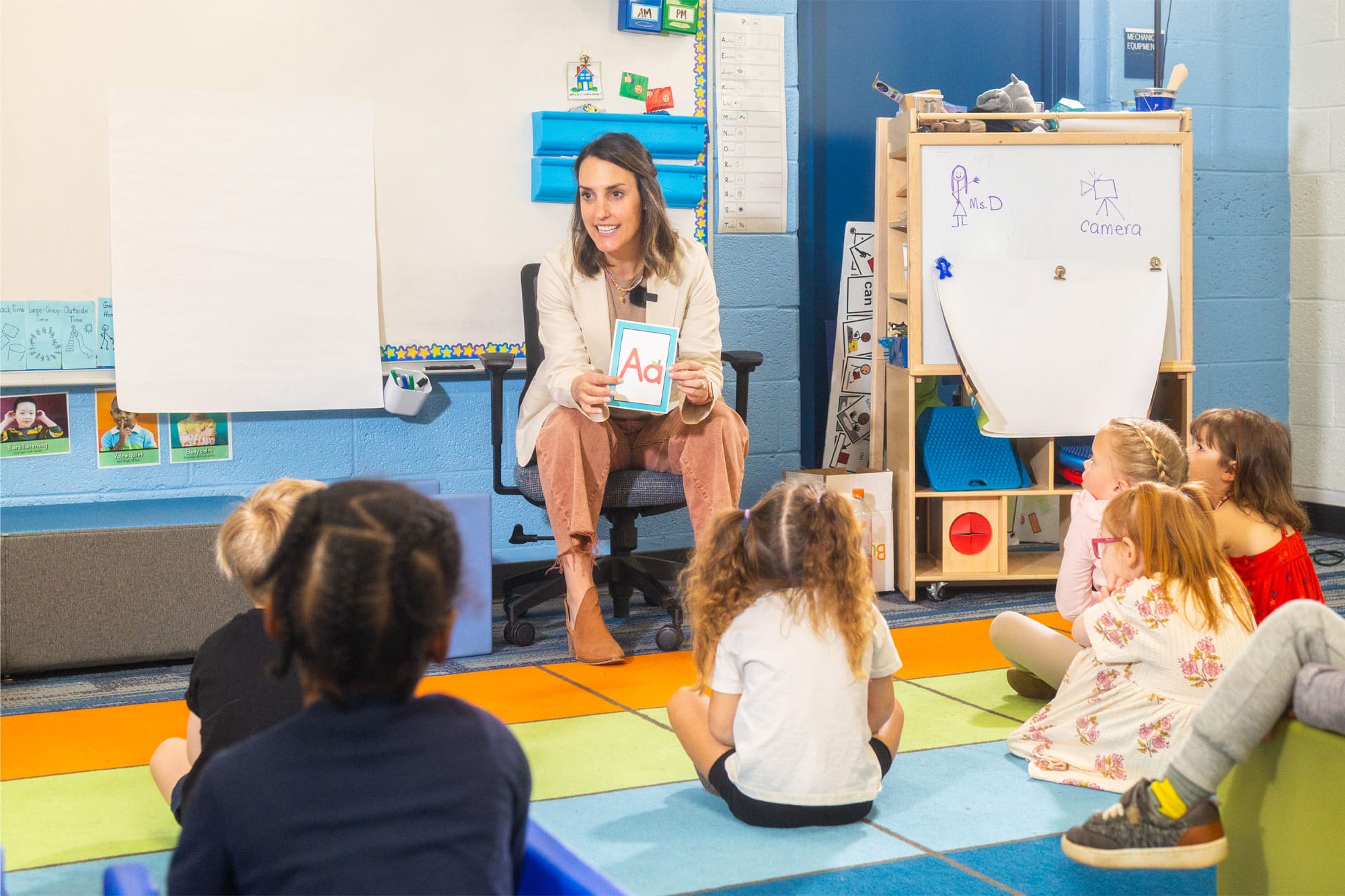
If Reading Isn’t the Starting Point, What Is? Reframing Literacy Through Language
As the science of reading gains traction, misconceptions about where literacy begins persist. This second article in a three-part series reframes literacy through the lens of oral language, examining why language is the foundation that supports comprehension, equity, and long-term reading success.
January 13, 2026
Reading Failure Isn’t Just About Reading
Strong phonics instruction can mask deeper challenges when oral language development goes unseen. This first article in a three-part series examines how invisible language gaps impact comprehension and why intentional oral language instruction is essential for lasting literacy success.

September 18, 2025
Fundamental Literacy Research Terms You Need to Know
Many educators aren’t sure what evidence-based actually means and how it differs from another common term, research-based. We have the answer!

August 29, 2025
Language Comprehension: The Missing Piece in Literacy Success
Language comprehension is key to literacy. Building comprehension is essential for students to become confident, capable readers who can deeply engage with what they read.
It’s the foundation for critical thinking, problem-solving, and lifelong learning.
August 14, 2025
The State of Literacy Today: A Back-to-School Conversation with IMSE CEO Jeanne Jeup
Jeanne Jeup, IMSE cofounder and CEO, reflects on the current literacy landscape: what’s working, what’s not, and where the movement is heading next.


