Like what you read?
Follow us on Social Media:

Keys to Reading

March 27, 2026
DLD and Dyslexia: The Oral Language Connection Schools Are Missing
Oral language is the foundation of reading success, yet most schools still lack systematic screening for Developmental Language Disorder—a condition affecting 1 in 14 children that frequently co-occurs with dyslexia. Discover how educators can identify oral language risk early and embed evidence-based language supports across every tier of instruction.
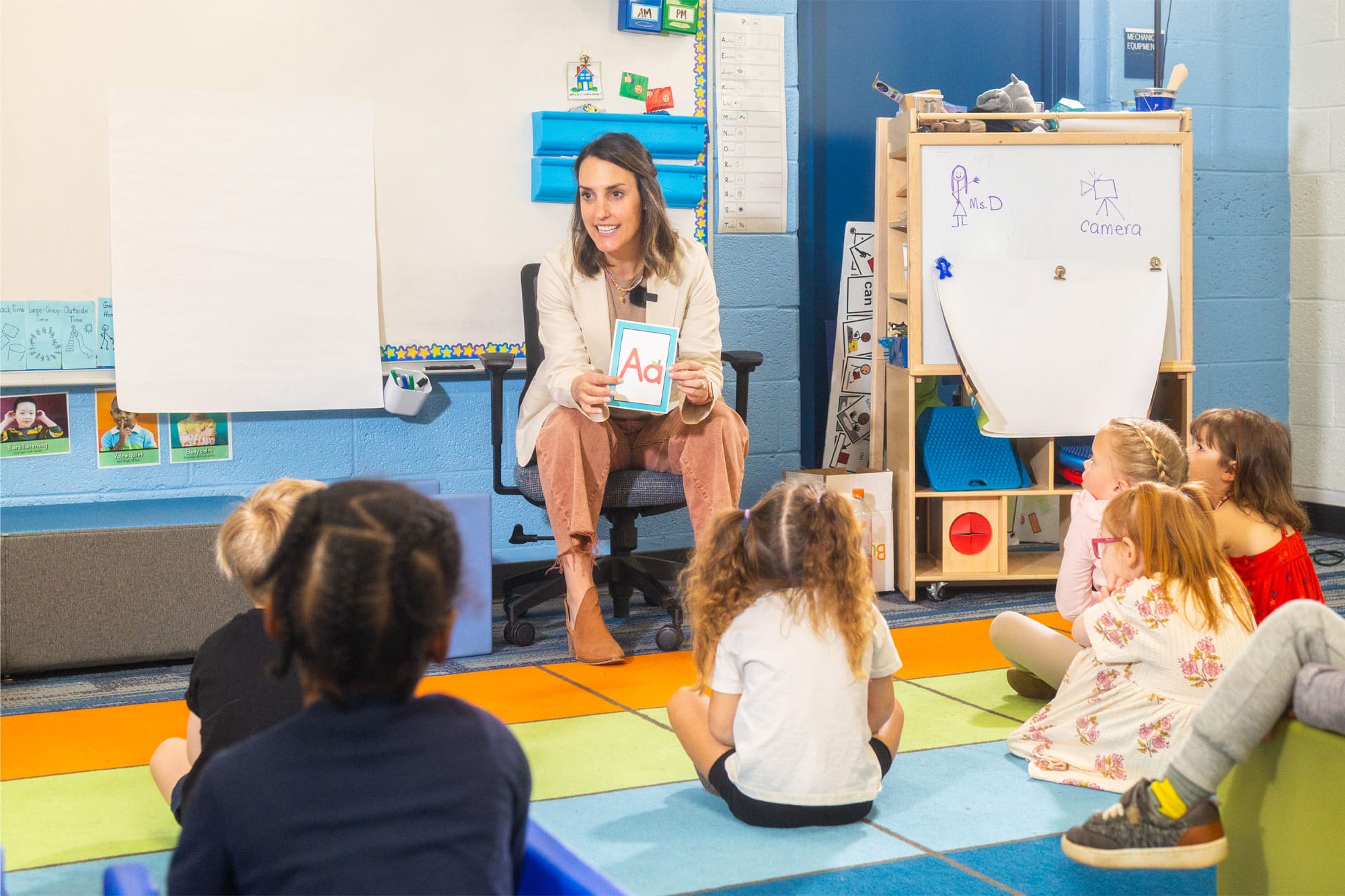
January 13, 2026
Reading Failure Isn’t Just About Reading
Strong phonics instruction can mask deeper challenges when oral language development goes unseen. This first article in a three-part series examines how invisible language gaps impact comprehension and why intentional oral language instruction is essential for lasting literacy success.

November 26, 2025
Science of Reading Professional Development for Teachers in 2025
As states push for evidence-based reading practices, educators need training that bridges research and real-world instruction. Discover how Structured Literacy aligned professional development equips teachers with the skills to make meaningful gains in reading outcomes.

October 17, 2025
Oral Language Development: Strategies for Enhancing Literacy
Learn how oral language skills influence language comprehension and impact other key areas of literacy.

August 27, 2025
Phonological Awareness Continuum: A Guide for Educators
By following this educator guide for the phonological awareness continuum, teachers can build the foundation for early literacy success in their classrooms.


