
The State of Literacy Today: A Back-to-School Conversation with IMSE CEO Jeanne Jeup


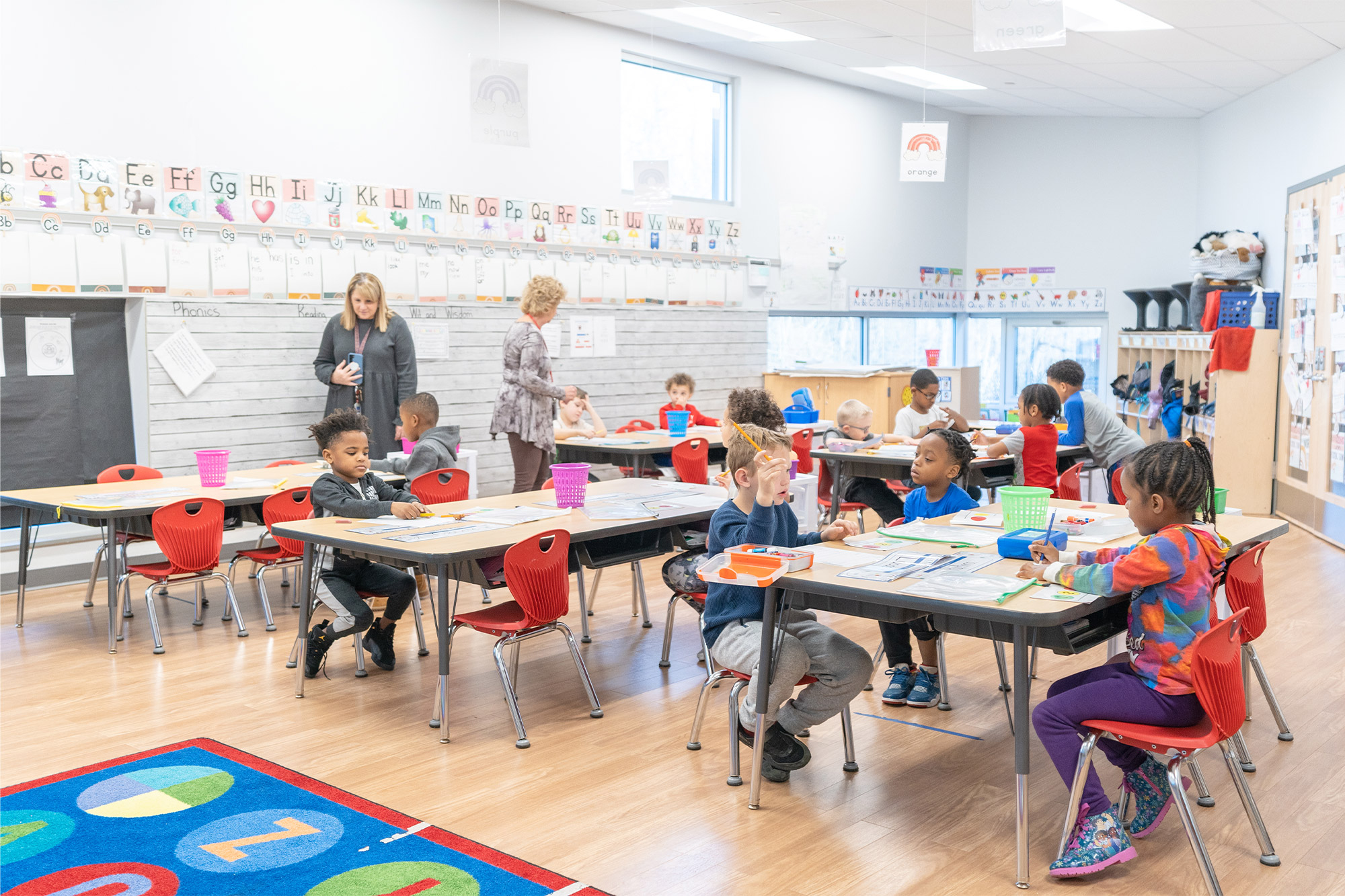
As students return to classrooms this fall, schools and districts are embracing the promise of another year of growth under the banner of Structured Literacy. The movement, grounded in the science of reading, continues to gain momentum thanks to policy changes, teacher training initiatives, and a growing understanding of how children best learn to read.
However, challenges remain. Instructional consistency is often lacking, and misconceptions about the science of reading still confuse educators and families. Jeanne Jeup, cofounder and CEO of the Institute for Multi-Sensory Education (IMSE), took a minute to share her thoughts on the current literacy landscape: what’s working, what’s not, and where the movement is heading next.
Q: Where do you see the science of reading movement heading in the next academic year?
Jeanne: I’m hoping we’ll see more states implementing laws and mandates that promote the science of reading. 17 states are already banning three-cueing methods and aligning their teacher training—both preservice and in-service—with Structured Literacy frameworks. But we need more unity and organization, especially in how we educate district leaders on what it truly takes to train teachers effectively.
Q: Which states are leading the charge, and what sets them apart?
Jeanne: States like Mississippi and Louisiana have made impressive gains. Mississippi, in particular, was an early adopter of teacher preparation aligned with the science of reading, mandatory screenings, and “intensive reading instruction and intervention immediately following the identification of [a] reading deficiency” (Mississippi Literacy Based Promotion Act, 2025, p. 4). Ohio has done a great job too—its governor, a longtime advocate for addressing dyslexia, improving teacher training, and adjusting literacy instruction, has backed major policy changes and vetted provider lists.
These states have committed to science-backed instruction and put in place tools, like state-approved provider lists, that ensure consistent, effective programming. These lists can help schools select programs based on a rigorous review process by a state committee, saving school leaders time and energy they would otherwise spend vetting reading programs.
Q: What do districts want, or what should they want, for literacy support heading into the 2025–26 school year?
Jeanne: I hope districts are prioritizing ongoing, high-quality training grounded in the science of reading. That means empowering teachers to understand the “why” behind what they do and using data to drive instruction. We need to move beyond teaching to the middle—every child deserves instruction at their level, whether they’re struggling or not.
Districts should also embrace literacy coaches, structured intervention toolkits, and tiered systems of support. Screening and progress monitoring are essential to ensure no child falls through the cracks.
Q: How can district leaders better support teachers in implementing Structured Literacy?
Jeanne: It starts with a shared vision. Leaders need to clearly communicate a district-wide literacy framework and ensure teachers have the time, resources, and support to implement it. For many educators, this is new territory. It’s overwhelming. So we have to walk that path with them—through pilots, through coaching, through celebrating small wins. Give them the tools and knowledge they need to succeed.
Q: What are your top three recommendations for superintendents in struggling districts?
Jeanne: First, make teacher knowledge your number one investment. Survey your staff and focus professional development dollars on filling the gaps. Second, partner with organizations like IMSE that can help implement Structured Literacy with fidelity. That might mean consulting, new training, hands-on coaching, or help understanding assessment data, depending on the school or district. And third, get the right materials in teachers’ hands—especially decodable readers. Some schools are still using leveled readers, which don’t align with how children actually learn to read.
Q: What are some of the biggest misconceptions about Structured Literacy?
Jeanne: People often think Structured Literacy is just phonics—it’s not. It includes phonological awareness, fluency, vocabulary, comprehension, and more. Others feel that Structured Literacy limits creativity, but I see it differently. Explicit instruction actually empowers children. It gives them the building blocks they need to unlock words like “volcano” or “fantastic” by early first grade, just by knowing the alphabet and syllable patterns. It provides them with the direct instruction needed to build automaticity in letter-sound connections so that students have more cognitive energy to focus on reading comprehension.
Another myth is that Structured Literacy doesn’t work for older students. That’s simply not true. I’ve worked with adults who needed those foundational skills. Fluency and comprehension can’t happen without them.
Q: What innovations at IMSE are you most excited about this school year?
Jeanne: So much! We’ve launched our Pre-K course and revamped our IMSE LAB platform, which includes an improved lesson planning tool and assessment app. It now includes videos, dictation tools, engaging lesson presentation slides, and materials that make implementation easier. In addition, we have updated OG+ Teacher Guides and student workbooks that include even more features and resources than they have in the past.
We’re also rolling out a curriculum-only path for educators already trained in Structured Literacy, and we’re offering new asynchronous training models to make professional development more flexible for teachers. And our upcoming interventions for morphology in Grades 3-12 will support older students who need that critical blend of phonics and morphology.
Lastly, we’re expanding our consultation services so we can help schools audit their practices, identify gaps, and implement changes that really move the needle.
Final Thoughts
Jeanne: I want every principal and teacher to understand how the brain learns to read and how to fix it when students are struggling. This knowledge shouldn’t be limited to reading specialists. Parents need to understand it too. When everyone is part of the journey, from district leaders to families, that’s when real change happens.
Like what you read?
Follow us on Social Media:
