
Equitable Literacy for Every Learner: A Districtwide Approach to EL Literacy Success


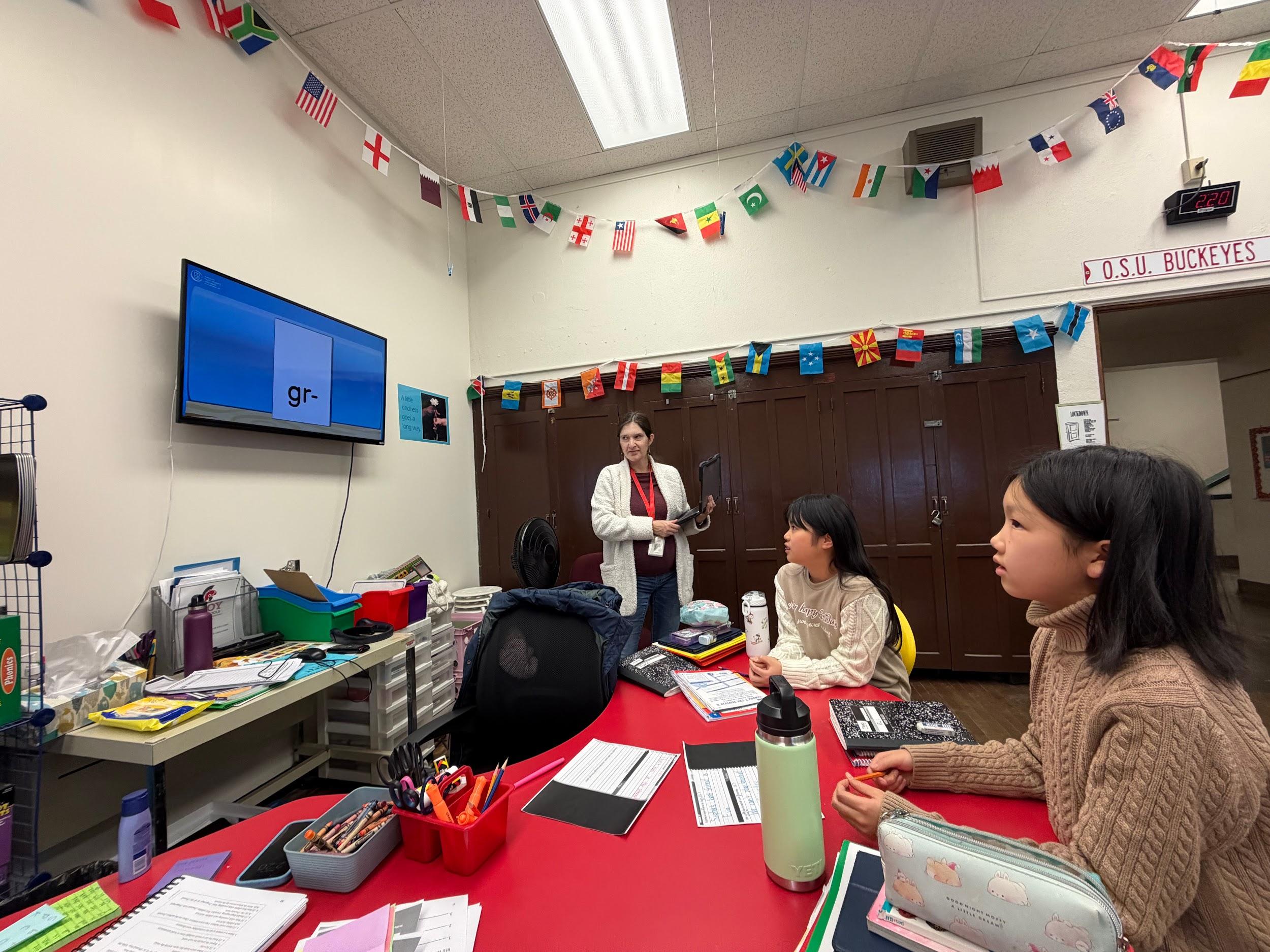
In Troy City Schools in Ohio, English learners (ELs) represent a growing and diverse population, with approximately 150 students speaking nearly 30 different languages. For these learners, reading in English involves not only decoding text but also navigating a new language and unfamiliar sounds, often simultaneously. Recognizing this complexity, the district prioritized consistent, explicit, and aligned literacy instruction, unifying its approach under IMSE’s single, evidence-based framework and moving away from previously disconnected practices.
The Challenge: When Language and Literacy Collide
For EL students, learning to read in English presents unique and often misunderstood challenges. Prior to adopting IMSE’s Orton-Gillingham+ (OG+) curriculum, the challenges at Troy City Schools were compounded by a lack of instructional alignment.
The impact of this system on EL students was clear:
- Vowel sounds remained a persistent, year-long struggle
- Spelling gaps extended across multiple grade levels
- Low confidence led students to avoid reading aloud or attempting unfamiliar words
- Siloed instruction meant EL specialists and classroom teachers were not working from the same framework
The Shift: A Unified, Structured Approach to Literacy
Troy City Schools harnessed IMSE’s OG+ methodology as a shared, evidence-based framework for educators working with EL students. Grounded in the science of reading, OG+ provides a structured, predictable approach that helps students understand how English works, which is an essential foundation for learners navigating a new language.
As a result, foundational skills like vowel sounds, which once took much of the school year to develop, are now being mastered in a matter of months, accelerating early literacy progress.
As Wendy Grimm, EL educator at Troy City Schools, shared, “Before IMSE’s OG+, vowel sounds were something students struggled with all year long. Now, they’re getting it in just a quarter of the school year.”
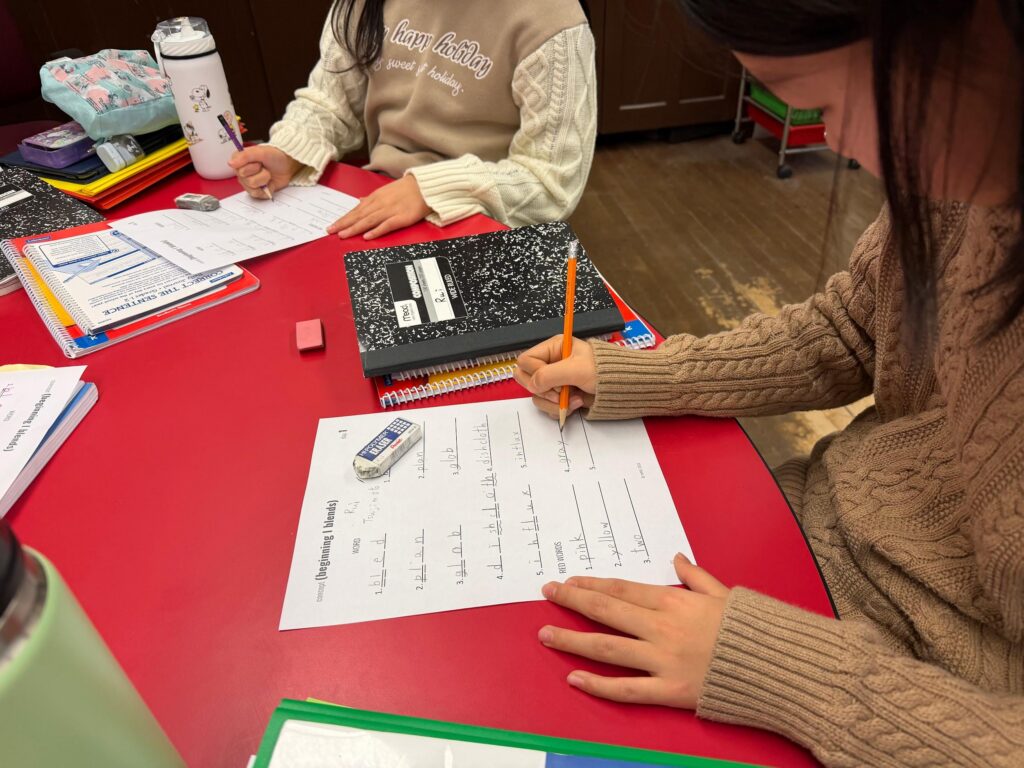
As instruction advances, students build into morphology, using prefixes, suffixes, and roots to recognize patterns and connect English to their home languages. This not only strengthens decoding and spelling but also builds confidence, with students increasingly engaging in reading, asking questions about word meanings, and independently working through unfamiliar vocabulary.
The Results: Measurable Gains for Multilingual Learners
This progress is not confined to individual classrooms. At Troy City Schools, it reflects a districtwide commitment to aligning instruction and investing in teacher training at scale. To support this shift, the district has trained more than 100 educators in OG+, along with dozens more in Morphology+, phonological awareness, and targeted support roles for other school professionals.
The district has also demonstrated significant recovery and acceleration in reading proficiency following pandemic-related learning loss. Prior to COVID-19, Troy City Schools’ third-grade ELA proficiency rate was 79.3% during the 2018–19 school year. That number dropped sharply to 56.5% in 2020–21. Since then, the district has not only recovered but exceeded pre-pandemic performance levels, reaching 81.1% third-grade ELA proficiency in 2023–24, the highest level in district history. The district’s last two years of third-grade ELA proficiency data have marked its strongest performance levels to date, reflecting the long-term impact of consistent, research-based literacy instruction.
What Comes Next
While the academic gains are significant, the shift in student confidence and engagement is just as meaningful, especially for EL learners. Students who once hesitated to read aloud are now participating more actively, approaching unfamiliar words with greater confidence, asking questions, identifying patterns, and working through meaning using the tools they’ve built.
To build on this momentum, leaders at Troy City Schools are expanding access to Morphology+ training across the EL team, ensuring educators are equipped to support students as they move into more advanced literacy. When instruction is unified, explicit, and grounded in how students learn to read, multilingual learners are not just supported, they are positioned to succeed.
Like what you read?
- Follow us on Facebook, Twitter, Instagram, LinkedIn, and Pinterest to learn more from IMSE.
- Check out IMSE’s training and digital resources.
Follow us on Social Media:
